
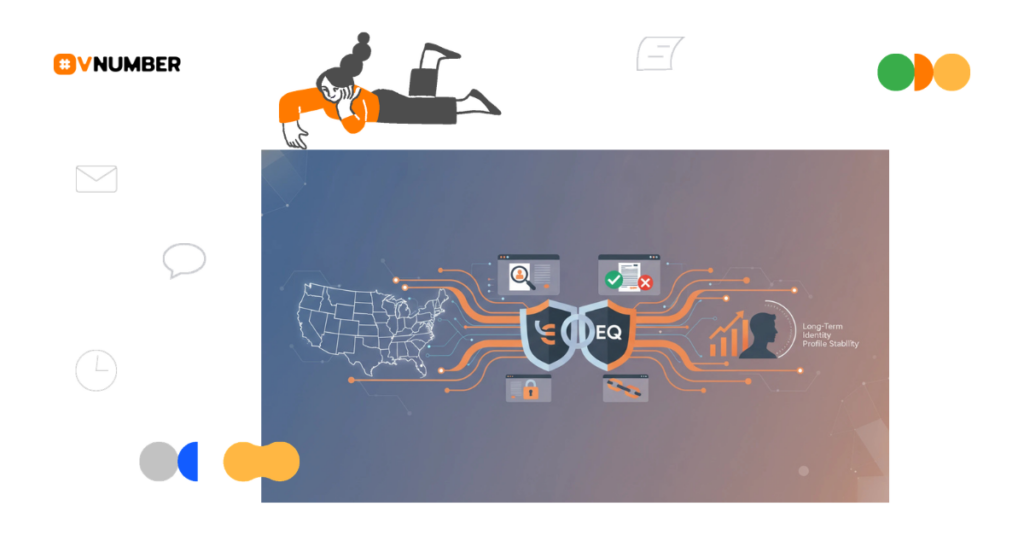
You entered your name, your Social Security number, and your address. Everything looked right. Then the site told you it could not verify your identity online and gave you no clear reason why.
This can happen to expats returning to the United States after years abroad, immigrants building credit for the first time, and anyone whose records have changed recently.
The frustrating part is obvious: you know who you are, but the system cannot make the same conclusion from the data it sees.
Understanding why starts with how online identity verification actually works, and what these systems are generally trying to match before they let you through.
Online Verification System Requirements
Credit bureaus such as Experian, Equifax, and TransUnion generally compare multiple data points from your application against records already in your credit file and against other databases they may use for verification.
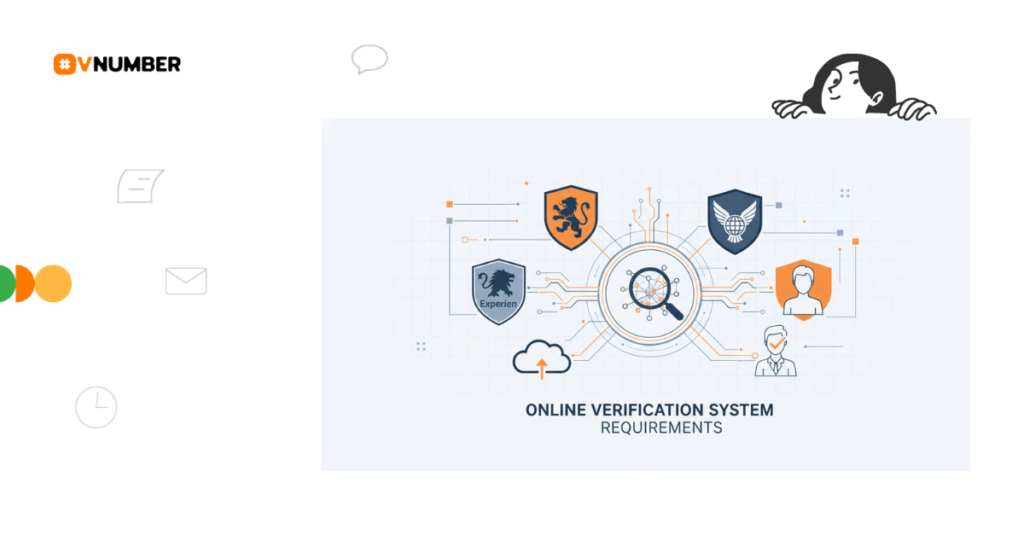
They are usually looking for a consistent cluster of signals tied to your identity. Those signals may include your full legal name, your SSN or ITIN, your current and previous addresses, your date of birth, and records associated with your phone number.
The verification step may also try to generate knowledge based questions from your credit file or public records.
If the system cannot find enough consistent data to build those questions, or if the data it finds does not line up closely enough, the check may fail before you even get to answer anything.
In this kind of process, pattern often matters as much as any single detail. A correct SSN paired with an unfamiliar address, a phone number under a different name, or a file that is too thin to generate meaningful questions can all weaken the match.
Most Common Verification Failure Causes
The mismatch points that cause failures often fall into a few familiar categories.
Common sources of friction
• Address history gaps
If you moved recently, lived abroad, or used a temporary address, the bureau’s records may not reflect where you are now.
Credit bureaus often rely on address data reported by creditors, so if no lender has updated your current address, the system may still be working with an older one.
• Phone number disconnects
Many online verification flows may reference phone related records as part of identity matching.
A number registered under a different name, a recently activated number, or a number that does not appear clearly in standard telecom databases can weaken the overall match.
• Thin or new credit files
If you have only a small number of accounts on file, the bureau may not have enough data to generate the questions or matching logic used in online verification.
This often affects recent immigrants, young adults, and expats whose US credit activity was paused while they lived abroad.
• Recent name, SSN, or ITIN changes
A legal name update, a newly issued SSN or ITIN, or differences between the name on your credit file and the name you entered online can all create friction.
• Credit freeze or lock
If you previously placed a security freeze or lock on your credit report, online access may be blocked until you lift it.
Common Mismatch Scenarios
| Mismatch scenario | Why it causes failure |
|---|---|
| Address on file does not match your current address | The bureau may not be able to confirm that you live where you say you do |
| Phone number is new, prepaid, or under a different name | The phone record may not reinforce your identity pattern |
| Credit file has fewer than 2 or 3 accounts | There may not be enough data to generate verification questions |
| SSN or ITIN was recently issued | The identity trail tied to that number may still be limited |
| Legal name changed recently | The name you entered may not align with the name on file |
| Credit freeze or lock is active | The system may block all online access until it is lifted |
Solutions When Online Verification Fails
When the website cannot verify you, start with the simplest explanation first.
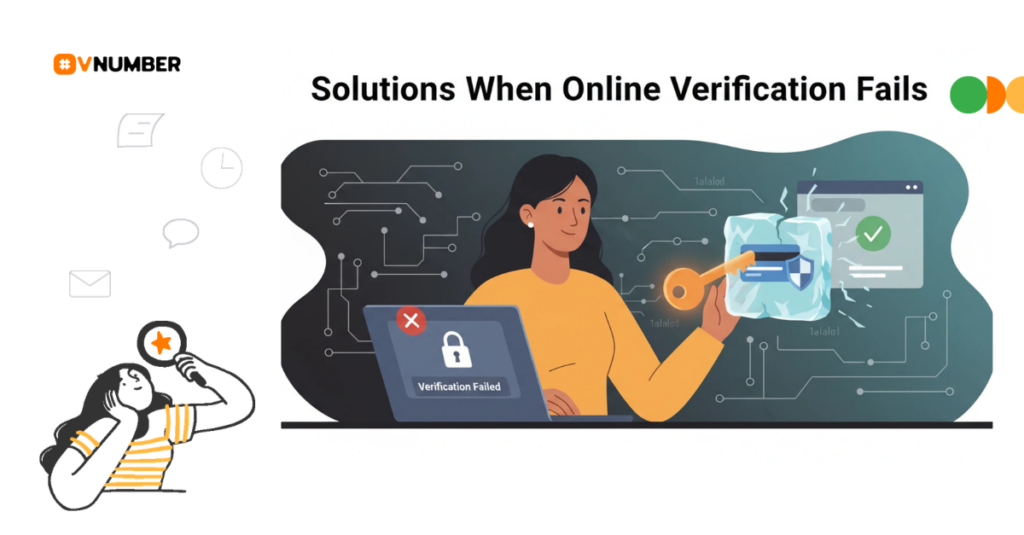
What to check before trying again
• Check whether a credit freeze or lock is active
• Confirm the exact name on your credit report
• Verify which address the bureau likely has on file
• Review whether your phone number is registered under your legal name
• Consider whether your SSN or ITIN is too recent to have built much file history
If you placed a freeze and forgot about it, lift it temporarily before trying again. That is often one of the fastest issues to resolve.
Review your own records next. Small variations can matter. If your creditors reported “J. Robert Smith” and you entered “James R. Smith,” the system may not see those records as cleanly connected.
Address history is another common point of failure. If you moved recently and no creditor has reported the new address yet, the bureau may still be matching against your previous address.
If you have checked those items and the online verification still fails, every bureau offers alternative paths.
- Experian allows you to request your report by mail using a written request and copies of identifying documents.
- Equifax offers a similar mail in route and may also support phone based help for users who cannot pass the online check.
- TransUnion also provides mail and phone options.
- AnnualCreditReport.com allows mail requests when online verification fails for any of the three bureaus.
These alternative paths usually take longer, but they can still work even when your identity profile does not fit neatly into the online model.
Building Long Term Identity Profile Stability
Online verification tends to get easier when your identity signals remain stable over time. For expats and immigrants, that often means treating identity continuity as something you maintain deliberately.
Keeping at least one active US credit account helps ensure that bureaus continue receiving updated information.
Even a secured card can help maintain a living file. Updating your address with creditors after a move helps keep your address history current.
A consistent US phone number may also help strengthen the broader identity pattern that verification systems reference. Phone based signals are not everything, but they are often one part of the picture.
Phone Setup Impact on Verification
| Phone setup | Potential impact on verification |
|---|---|
| US postpaid plan registered under your legal name | Often provides the strongest continuity signal |
| US prepaid plan under your name | May provide a moderate signal depending on carrier and account age |
| VoIP or app based US number with weak telecom registration | May be less useful in some verification contexts |
| Foreign number or no US number | Phone based identity signals may be missing or weaker |
| Recently activated US number | The number may not have built much history yet |
For expats living outside the United States, this is where identity verification and continuity start to overlap.
If your phone number changes often, goes inactive, or is disconnected from the rest of your US profile, that may create one more mismatch inside an already fragile process.
For people who need ongoing access to their credit report while living abroad, one practical option is maintaining a stable US number over time.
That is where a service like VNumber can fit more naturally into the process. The goal is not to “beat” the bureaus. The goal is to support stronger identity continuity across your phone number, your address trail, and the services tied to your file.
If you need a stable US number for identity continuity, verification, and ongoing access to credit related services, get your number with VNumber and keep your access active wherever you are:
https://www.vnumber.com/get-your-number
Reducing the number of mismatches in your profile does not guarantee a successful pass, but it can improve the chances of smoother access over time.
Frequently Asked Questions
Why does Experian say it cannot verify my identity online?
Experian may not be able to verify you online if the details you entered do not align closely enough with the data in your credit report or in the records it uses for verification. A mismatch in your name, address, phone number, or file depth can all contribute.
Can I check my US credit report as an expat living abroad?
Yes, but online verification may be harder if your US records have become stale. Old address history, an inactive phone number, or reduced recent credit activity can all make the process harder. Mail based access remains an alternative when online verification fails.
What if I have an ITIN instead of an SSN?
An ITIN can still be tied to a US credit file. The challenge is that ITIN based files are sometimes thinner or newer, which may make online verification harder. In that situation, requesting your report by mail may be more reliable.
Does freezing my credit affect online identity verification?
Yes. A credit freeze can block online access to your file, including your own attempts to retrieve your credit report. If the freeze is active, lift it temporarily before retrying.
How long should my US phone number be active before it helps with verification?
There is no publicly stated threshold that guarantees a better result. In general, a longer and more stable phone number history may help support stronger continuity, especially when the number is registered under your legal name and remains active over time.
