
The Dead End Nobody Warns You About
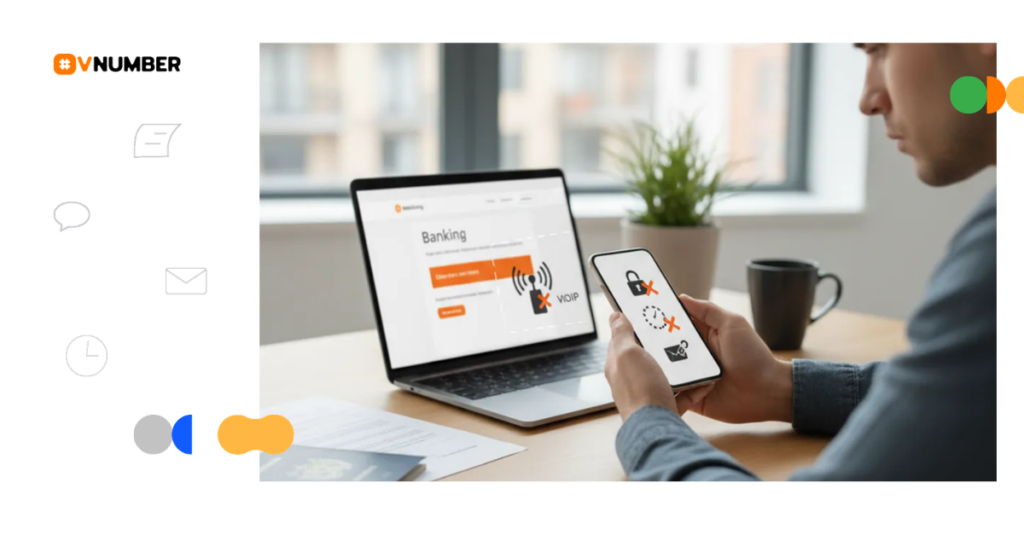
Every year, thousands of international users complete their Chase or Bank of America application perfectly, only to hit a wall at phone verification. The number gets rejected with no error message, no workaround, and no explanation.
This is where the process breaks for most people outside the US, and the reason has nothing to do with paperwork. You filled out every field. Uploaded your passport. Entered your address.
Then the bank asked for a phone number, you typed yours in, and the application stopped cold. If this happened to you, keep reading.
Why Your Number Gets Rejected
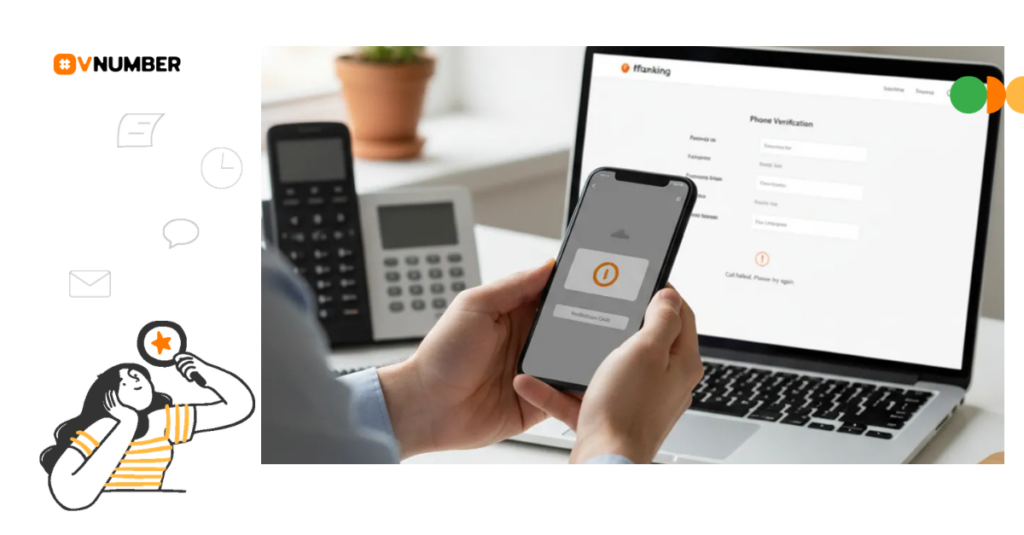
A lot of international applicants get stuck at the same step: phone verification. The application looks complete, but the number is rejected before the bank even sends an OTP.
For banks like Chase or Bank of America, this may be part of a broader fraud prevention process. Their systems do not evaluate a phone number as just a contact detail.
They may also check whether that number fits the risk profile expected for a customer opening a US account.
What banks check before approving a number
Banks may screen a phone number using telecom and risk data such as:
• Number type
• Carrier information
• Country of origin
• Risk profile linked to the line
A mobile number from Colombia, Nigeria, or Germany may be treated very differently from a US based number tied to a domestic carrier.
Why this happens
This verification step is connected to KYC and AML requirements. US financial institutions are required to confirm the identity of account holders and reduce fraud exposure during onboarding.
Phone verification is one layer of that process. If a number falls outside the expected pattern for a US based applicant, the system may block the OTP or reject the number during the application.
What this means for international users
Even a legitimate international number can fail if it does not match the bank’s internal verification standards.
That is why many applicants get stuck even after submitting the right documents. The issue is often not the passport or the address. It is that the phone number does not meet the bank’s accepted profile for secure onboarding.
The VoIP Problem Banks Care About
Banks do not treat all virtual numbers the same. The key difference is how the number is classified and whether it looks stable enough for verification.
Fixed VoIP vs Non Fixed VoIP
| Type | What it means | How banks tend to see it |
|---|---|---|
| Fixed VoIP | Linked to a physical address and a verified account holder | More reliable for long term verification |
| Non fixed VoIP | Not tied to a location and often available without identity checks | Higher risk during onboarding and 2FA |
Services like Google Voice, TextNow, and many free SMS apps often issue non fixed VoIP numbers.
Why banks are cautious
Banks may flag non fixed numbers because they are often associated with:
• Easy bulk creation
• Anonymous signups
• Disposable use cases
• Higher fraud exposure
The Federal Trade Commission reported $10 billion in fraud losses from US consumers in 2023, and phone based scams were a major category. That is why number type matters during account opening.
Why this matters after approval
This is not only an onboarding issue. The phone number on file may also be used for:
• Login OTPs
• Transfer approvals
• Security alerts
• Account recovery
If that number stops working, gets recycled, or belongs to a number type the bank no longer trusts, access can become a problem.
What usually works better
Banks generally prefer a number that is:
•Stable over time
• Linked to a real user
• Able to receive SMS and voice calls reliably
That is why fixed VoIP lines and verified local numbers are usually stronger options than anonymous non fixed lines from free apps.
What Actually Works for International Users
A verified US local number, registered with a recognized carrier, tied to an identifiable account holder, and classified as mobile or fixed, is generally more likely to support bank verification successfully.
The key factors are carrier reputation, number type classification, and identity linkage. Getting one of these right makes the difference between a blocked application and a working account.
Porting an existing US mobile number to a reliable provider can also help in many cases. Ported numbers retain their original carrier classification in most databases, so banks continue to recognize them as legitimate mobile lines.
This is a strong option for expats who had a US number before moving abroad. For those who never had a US number, providers that issue verified local lines with proper carrier routing solve the problem.
At VNumber, we offer US numbers designed to support bank verification, OTP delivery, and account alerts, giving you a practical option for maintaining access without needing a US address or a physical SIM card.
Key Checks When Selecting a Provider
- Confirm the number is classified as mobile or fixed VoIP (not non-fixed) in carrier databases
- Verify that the provider supports both SMS and voice calls, since some banks use automated voice OTPs as a fallback
- Make sure the number stays active and does not get recycled after short periods of inactivity
If you contact bank support about a rejected number, keep your script simple. Tell them you are an international customer with a verified US phone number and ask them to confirm which number types their system accepts.
Most support agents escalate to a specialist who handles international onboarding cases. Once you are ready to move forward, you can get your number through a provider that meets these verification standards.
Frequently Asked Questions
Why won’t Chase or Bank of America accept my international phone number?
Their verification systems filter numbers by country, carrier type, and risk profile. International numbers fall outside the expected parameters for US-based account holders, triggering automated blocks during onboarding.
What is a non-fixed VoIP number?
A phone line obtained without identity verification and not tied to any physical address. Free apps and disposable number services issue these. Banks reject them because they are associated with high fraud rates.
Do I need a US phone number to open a US bank account online?
For Tier 1 banks like Chase and Bank of America, yes. Their onboarding and 2FA systems require a US-based number that passes carrier verification checks. You can review our frequently asked questions for more details on specific bank requirements.
Can I use a virtual US number for bank OTP codes?
A verified local line or a fixed VoIP number with appropriate carrier classification is generally more likely to work for OTP delivery. Anonymous or non fixed VoIP numbers are more likely to run into issues.
How do I improve my chances of passing phone verification?
Use a verified US number from a provider that issues carrier recognized lines with SMS and voice support. Avoid free VoIP apps. Keep the number active over time and make sure it can receive both verification texts and calls if needed.
