
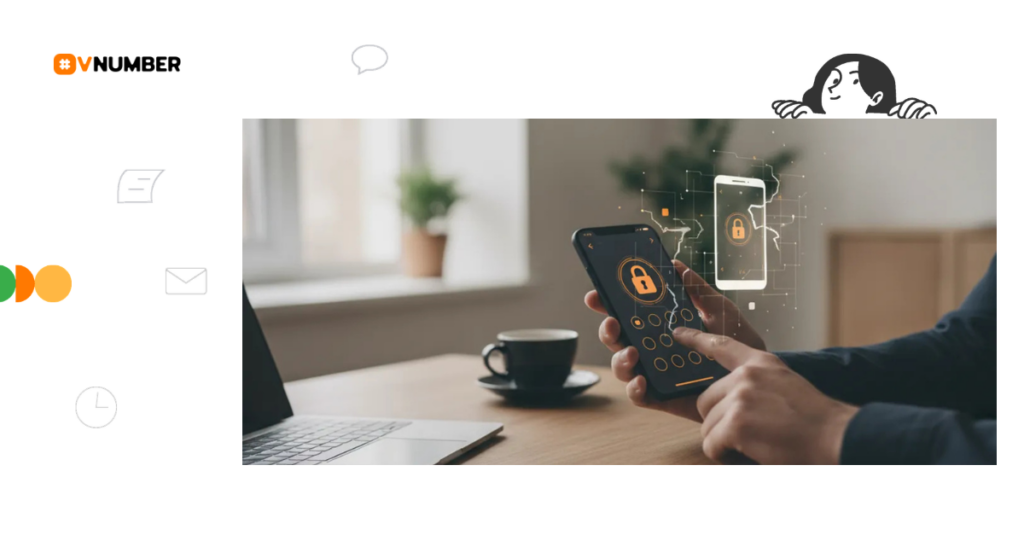
The Problem with Free SMS Receiver Sites
Free online SMS receiver sites may look convenient, but they create a serious privacy problem for anyone using them for verification or account recovery.
In many cases, incoming messages are visible through public or shared inboxes, which means other users may be able to see the same codes you are trying to receive.
That is the core issue. The speed and convenience of free numbers often come from shared access, not private ownership.
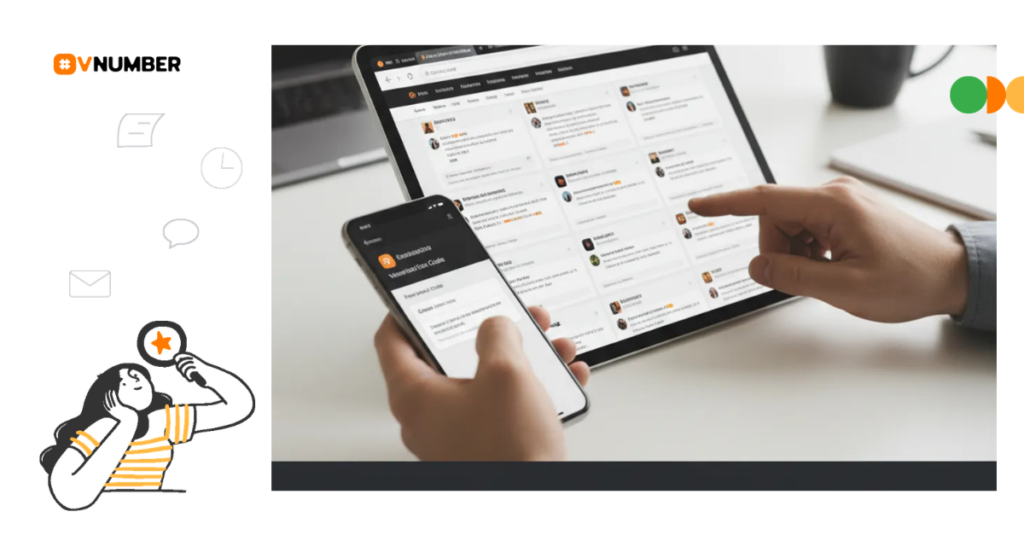
The appeal is easy to understand. You need a number to verify an account, you do not want to use your personal line, and a quick search brings up free options in seconds.
But if that number is shared, temporary, or publicly visible, the tradeoff is not worth it for anything sensitive. Understanding the risks of free virtual numbers is the first step toward protecting your accounts.
That becomes especially risky when the account involved is important, such as:
• Your main email
• A banking app
• A crypto exchange
• A cloud storage account
• A password recovery flow
In those situations, the problem is no longer convenience. It is account control.
Why Shared Numbers Create Real Risk
When a number is public or reused across multiple users, the messages sent to it may no longer be private. That means a verification code, recovery code, or security alert could end up visible to someone else.
Even if a free platform works once, the bigger risk appears later. Many free virtual number services rotate or recycle numbers quickly. If the number is reassigned, messages connected to your account may be delivered to someone else in the future.
That creates two separate risks:
• Shared visibility while the number is public
• Loss of control when the number is recycled
For 2FA and account recovery, that is a bad combination.
Why Number Recycling Matters
Number recycling means a phone number stops being tied to one user and later becomes available to someone else. That can happen with traditional carriers, and it can also happen with virtual number services.
The difference is that free services may recycle numbers faster and with less predictability. Think about the difference between these setups:
| Number type | Common risk level | Main issue |
|---|---|---|
| Free public number | Very high | Shared inbox or public visibility |
| Temporary free virtual number | High | Fast recycling or inconsistent access |
| Paid private virtual number | Lower | Access remains tied to one account while active |
If you used a free number for 2FA and later lost access to it, a future recovery code could go to a number you no longer control.
That does not guarantee an account takeover, but it increases the chance of a security failure, especially if the account relies heavily on SMS verification.
What a Paid Private Number Changes
A paid private virtual number does not solve every security problem, but it does reduce several of the biggest risks that come with free services. The difference is not magic. It is ownership, retention, and control.
A private paid number usually gives you:
• Exclusive access to the inbox tied to your account
• More stable long term access to the same number
• Better continuity for 2FA and account recovery
• Cleaner separation between personal and business communication
• A more reliable setup for sensitive SMS use cases
That matters most when the number is used for:
• Email recovery
• Banking verification
• Financial services
• Account alerts
• Business platforms that rely on SMS or voice confirmation
With VNumber, users can maintain a dedicated number for these workflows, keep access while living abroad, and avoid relying on public inboxes or short lived free alternatives.
Free Number vs Private Number
| Feature | Free public or temporary number | Paid private number |
|---|---|---|
| Inbox privacy | Limited or unclear | Private access tied to your account |
| Number retention | Often unstable | More consistent while the service remains active |
| 2FA reliability | Higher risk of interruption | Better for long term continuity |
| Recovery use | Risky for important accounts | More suitable for sensitive services |
| Ownership feel | Temporary access | Ongoing control |
This is why free numbers may be acceptable for low risk, disposable signups, but they are a poor choice for anything connected to identity, money, or recovery.
How to Replace a Free Number Safely
If you already used a free number for 2FA or recovery, the safest move is to replace it methodically.
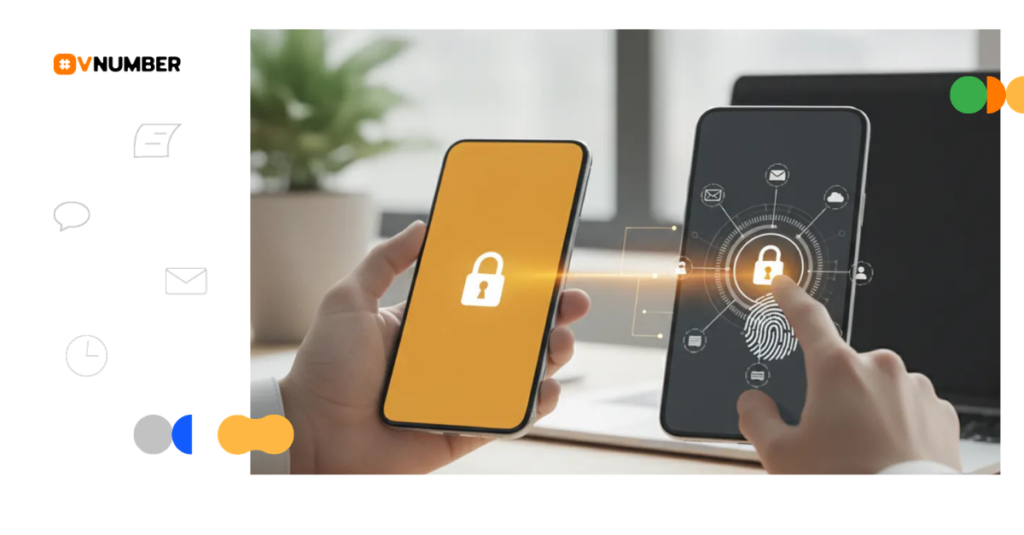
Step 1: Make a list of affected accounts
Start with the highest risk accounts first:
• Banking
• Crypto
• Cloud storage
• Work tools
• Social platforms tied to identity or business
Step 2: Set up a private number
Choose a provider that gives you a dedicated number with private access and stable retention. The goal is to stop relying on a number that may be public, temporary, or shared.
Step 3: Update security settings
Log into each account and replace the old number with the new one. Test the new setup by triggering a verification prompt or recovery message where possible.
Step 4: Remove the old number everywhere
Do not leave the free number attached to backup recovery settings. That is where many people forget to update access.
Step 5: Add stronger backup security
Where available, combine your private number with:
• An authenticator app
• A hardware security key
• Backup recovery codes
SMS should not always be your only layer. It works better as part of a broader security setup.
A Better Way to Think About the Cost
Free numbers look attractive because they remove friction upfront. But the real cost shows up later if an important account becomes harder to recover, easier to intercept, or tied to a number you no longer control.
A paid private number costs more than a free one, but the tradeoff is usually small compared with the value of the accounts it helps protect.
For most users, the real question is not whether free options are convenient. It is whether they are appropriate for anything tied to identity, money, or long term access.
Frequently Asked Questions
Can someone steal my account through a free SMS receiver number?
They may be able to see your verification or recovery messages if the inbox is public or shared. That creates a real security risk for any account that depends on SMS for access or recovery.
Are free virtual numbers safe for bank verification?
They are generally not a good choice for banking or other sensitive services. Free numbers may be shared, recycled, or unreliable, which makes them risky for any account connected to money or identity.
Why is a paid virtual number safer for 2FA?
A paid private number usually gives you dedicated access, more stable retention, and a lower chance of losing control of the number unexpectedly. That makes it better suited to ongoing verification and recovery use.
What should I do if I already used a free number for 2FA?
Replace it as soon as possible on your most important accounts. Start with email, banking, crypto, and any service that controls access to other accounts.
Does a private virtual number replace other security methods?
No. It is best used alongside stronger options such as authenticator apps, hardware keys, and backup codes. The goal is better control, not a single point of failure.